History of the Cuckoo Clock

Introduction
The cuckoo clock is a traditional timepiece that has become synonymous with Germany, particularly the Black Forest region. Its unique design and charming sound have made it a beloved item worldwide.
Origins
The origins of the cuckoo clock can be traced back to the 18th century in the Black Forest region of Germany. The first cuckoo clocks were crafted around the 1730s, although the exact date of their invention remains uncertain.

Development and Design
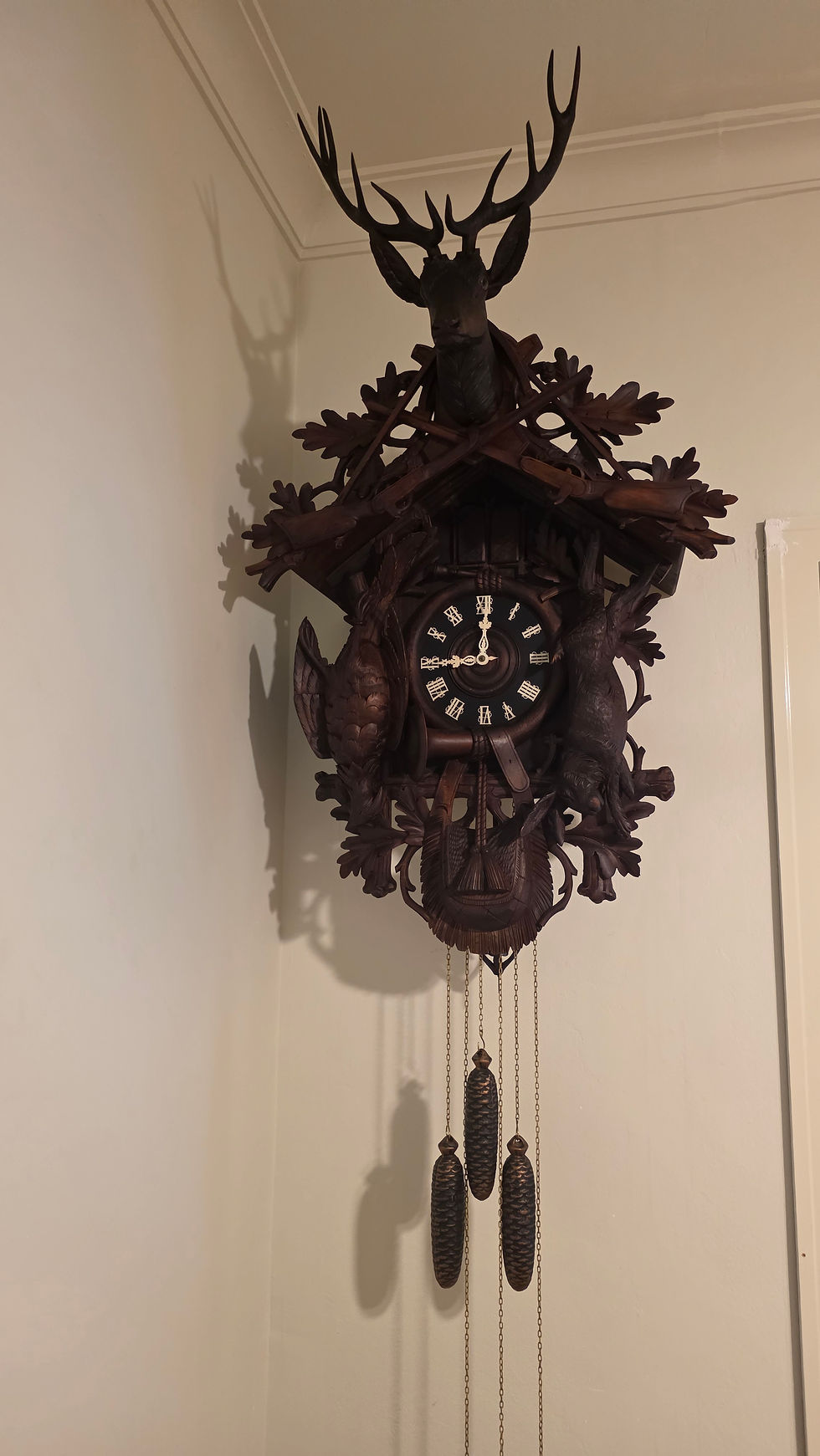
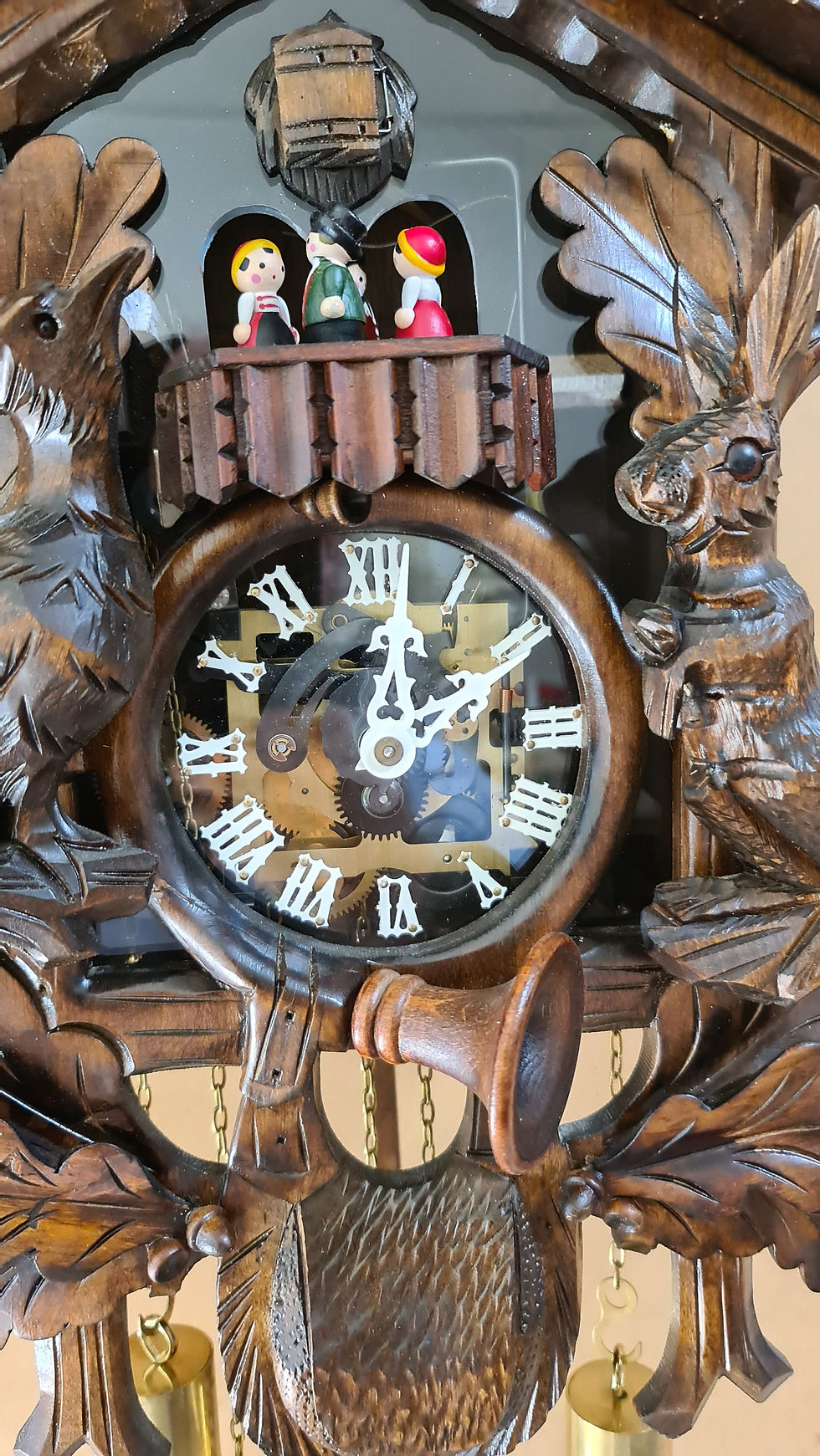
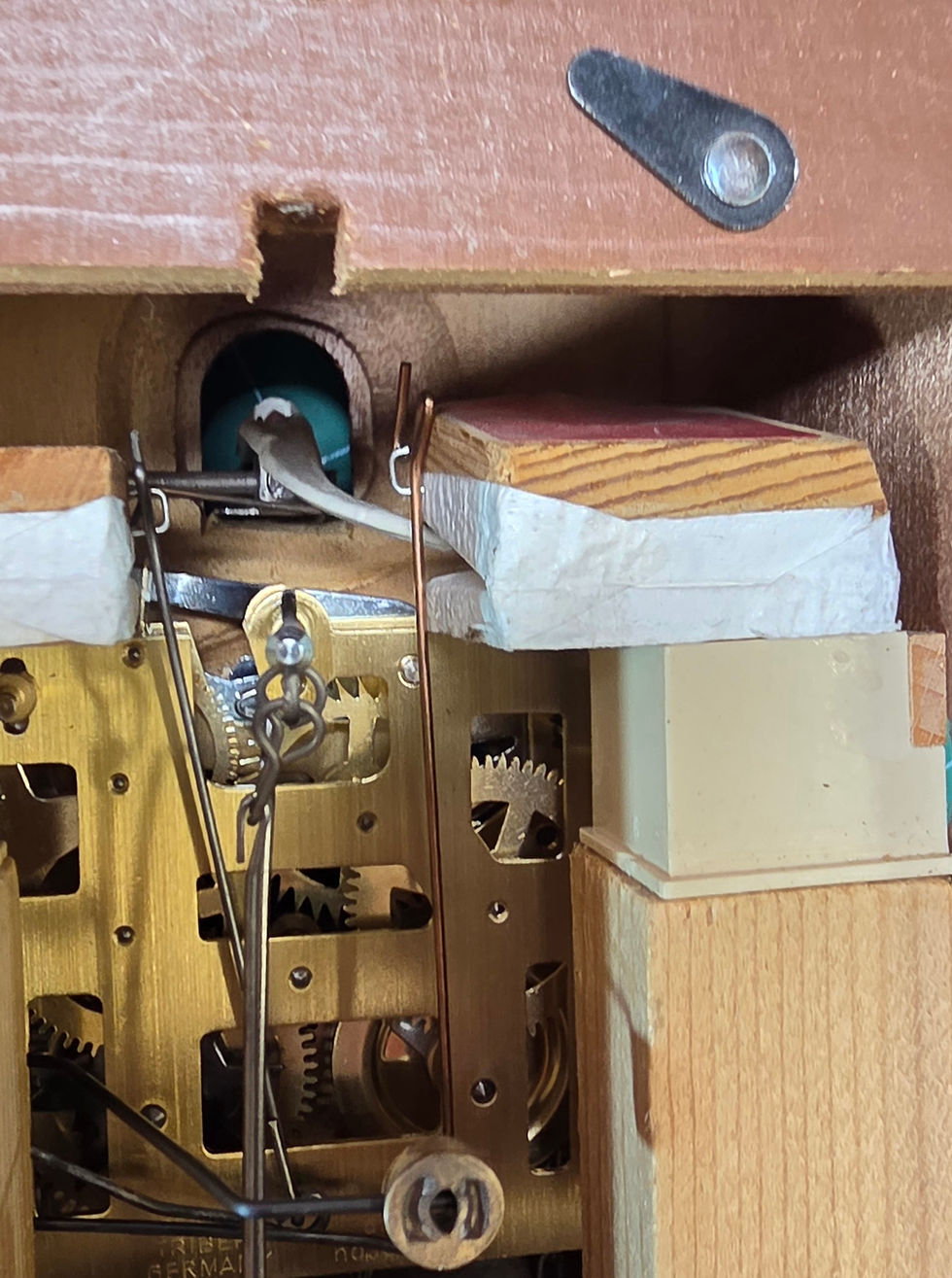
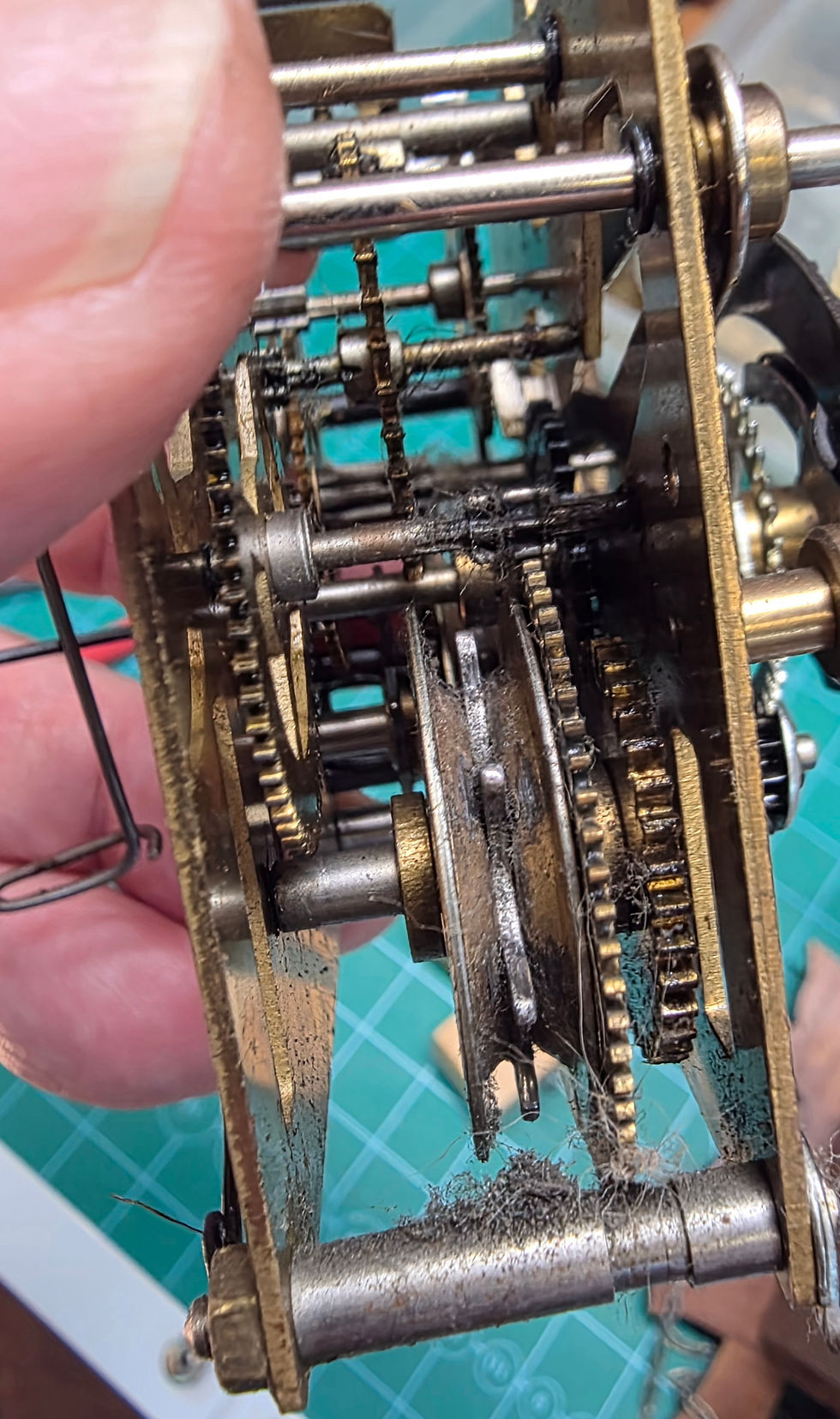
- **Early Designs**: The earliest cuckoo clocks were simple wooden boxes with a cuckoo bird that emerged to announce the hour. - **Mechanisms**: These clocks utilized weight-driven mechanisms, which were innovative for their time, allowing for more accurate timekeeping. - **Artistic Elements**: As the popularity of cuckoo clocks grew, artisans began to incorporate intricate carvings and decorative elements, reflecting local culture and nature.
19th Century Boom
The 19th century saw a significant increase in the production of cuckoo clocks. This era marked: - **Industrialization**: The introduction of machinery allowed for mass production, making cuckoo clocks more accessible. - **Exportation**: Cuckoo clocks became popular outside of Germany, especially in the United States and other parts of Europe.

Modern Era
- **Variety of Designs**: Today, cuckoo clocks come in various styles, from traditional to contemporary, and are made from different materials, including wood and plastic. - **Technological Advances**: Modern cuckoo clocks may incorporate quartz movements for improved accuracy and require less maintenance than their mechanical predecessors.
Conclusion
The cuckoo clock has evolved from a simple timekeeping device to a cherished piece of art and craftsmanship. Its enduring appeal lies in its unique blend of functionality and whimsy, making it a timeless symbol of German culture.
Comments