Reviving History: The Art of Cuckoo Clock Restoration

Cuckoo clocks are more than just timepieces; they are intricate works of art that often tell stories of generational ownership, craftsmanship and tradition. Originating from the Black Forest region of Germany in the 18th century, these clocks have captivated hearts with their charming designs and delightful cuckoo calls. However, like any cherished artifact, they require care and restoration to preserve their beauty and functionality. In this blog post, we will explore the fascinating world of cuckoo clock restoration, discussing techniques, tools, and the passion that drives enthusiasts to revive these historical treasures.
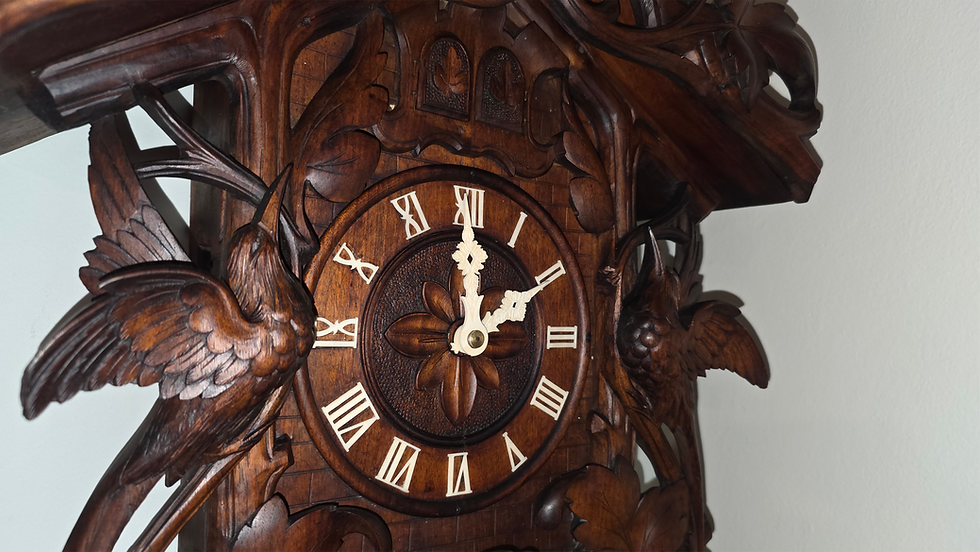
Understanding Cuckoo Clocks
The History of Cuckoo Clocks
Cuckoo clocks have a rich history that dates back to the late 1700s. The first cuckoo clock was believed to have been created in the Black Forest region of Germany, where skilled artisans began crafting these unique timepieces. The name "cuckoo" comes from the sound the clock makes, mimicking the call of the cuckoo bird.
These clocks often feature elaborate designs, including hand-carved figures, painted scenes, and intricate movements. The combination of artistry and engineering has made cuckoo clocks a beloved collectible item.
Types of Cuckoo Clocks
Cuckoo clocks come in various styles, each with its unique characteristics. Here are some common types:
Traditional Cuckoo Clocks: These feature the classic cuckoo movements and often include hand-carved wooden designs.
Musical Cuckoo Clocks: In addition to the cuckoo call, these clocks play melodies on the hour, adding an extra layer of charm.
Modern Cuckoo Clocks: Contemporary designs may incorporate different materials and styles, appealing to a broader audience.
Understanding the type of cuckoo clock you own is essential for effective restoration.
The Importance of Restoration
Why Restore a Cuckoo Clock?
Restoration is crucial for several reasons:
Preservation of History: Cuckoo clocks are historical artifacts that represent a specific time and culture. Restoring them helps preserve this history for future generations.
Functionality: Over time, the mechanisms of cuckoo clocks can wear down, leading to inaccuracies or complete failure. Restoration ensures that these clocks continue to function properly.
Aesthetic Appeal: A well-restored cuckoo clock can regain its original beauty, making it a stunning addition to any home.
Signs Your Cuckoo Clock Needs Restoration
Recognizing when a cuckoo clock needs restoration is vital. Look for these signs:
Inaccurate Timekeeping: If the clock consistently runs fast or slow, it may need mechanical adjustments.
Cuckoo Call Issues: If the cuckoo does not sound or sounds weak, the mechanism may require repair.
Physical Damage: Cracks, chips, or worn-out paint can detract from the clock's appearance and may need attention.
The Restoration Process
Step 1: Assessment
Before beginning any restoration work, assess the clock's condition. Take note of any visible damage, listen for mechanical issues, and check the overall functionality. Documenting these details and approximate costs that will help guide the restoration process.
Step 2: Disassembly
Carefully disassemble the clock to access its internal movement. This step requires patience and precision, as many parts are delicate and can easily be damaged. Keep track of all components, as they will need to be reassembled later.
Step 3: Cleaning
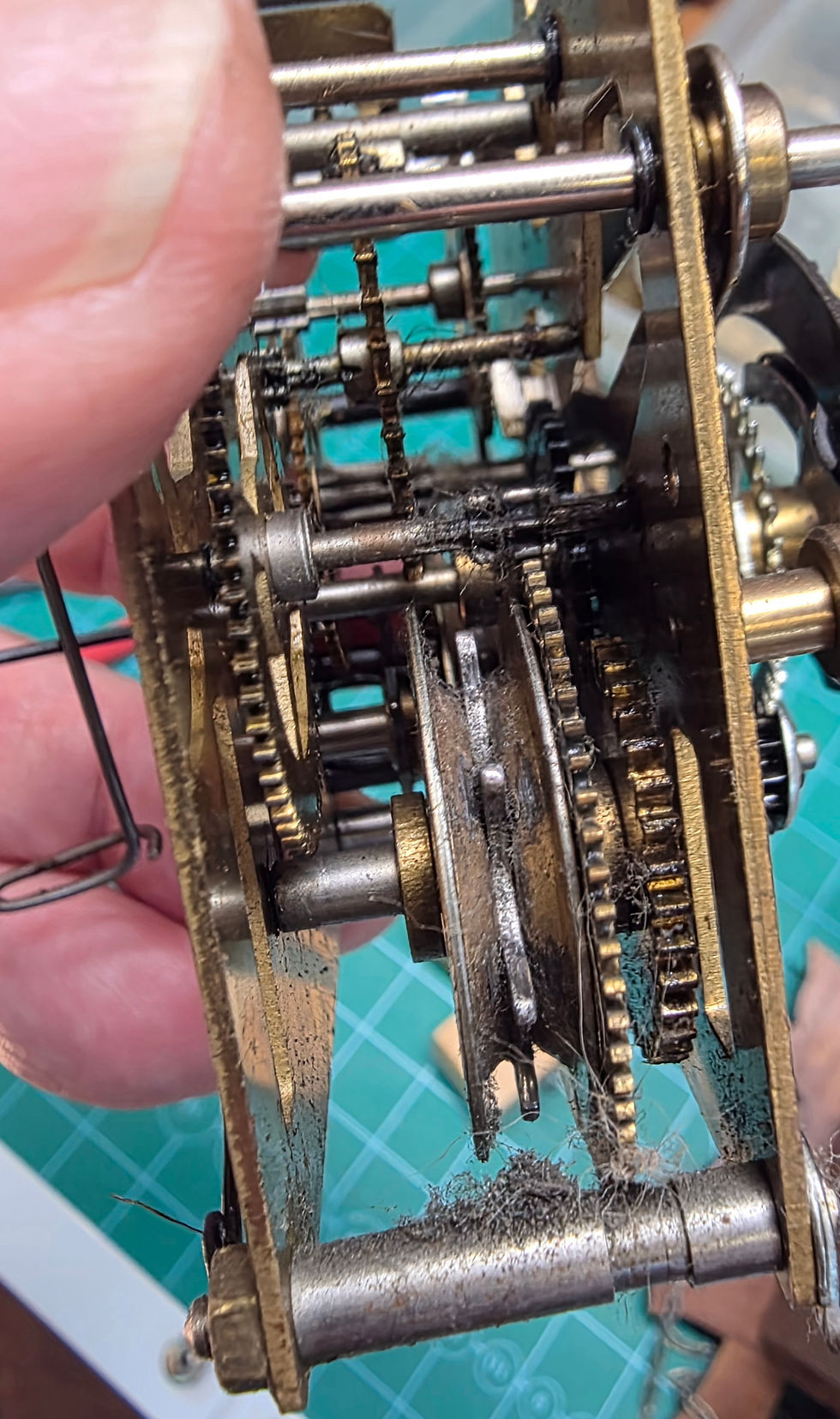
Once disassembled, clean each part thoroughly. Use a soft brush and a gentle cleaning solution to remove dust and grime. Avoid harsh chemicals that could damage the wood or finish. For the movement, ultrasonic cleaning with a specialized clock cleaning solution is necessary.
Step 4: Repairing Mechanisms
Inspect the clock's mechanisms for wear and damage. Common repairs may include:
Replacing Worn Gears: If gears are worn down, they may need to be replaced to ensure proper functioning.
Lubrication: After cleaning apply clock oil to moving parts to reduce friction and improve performance.
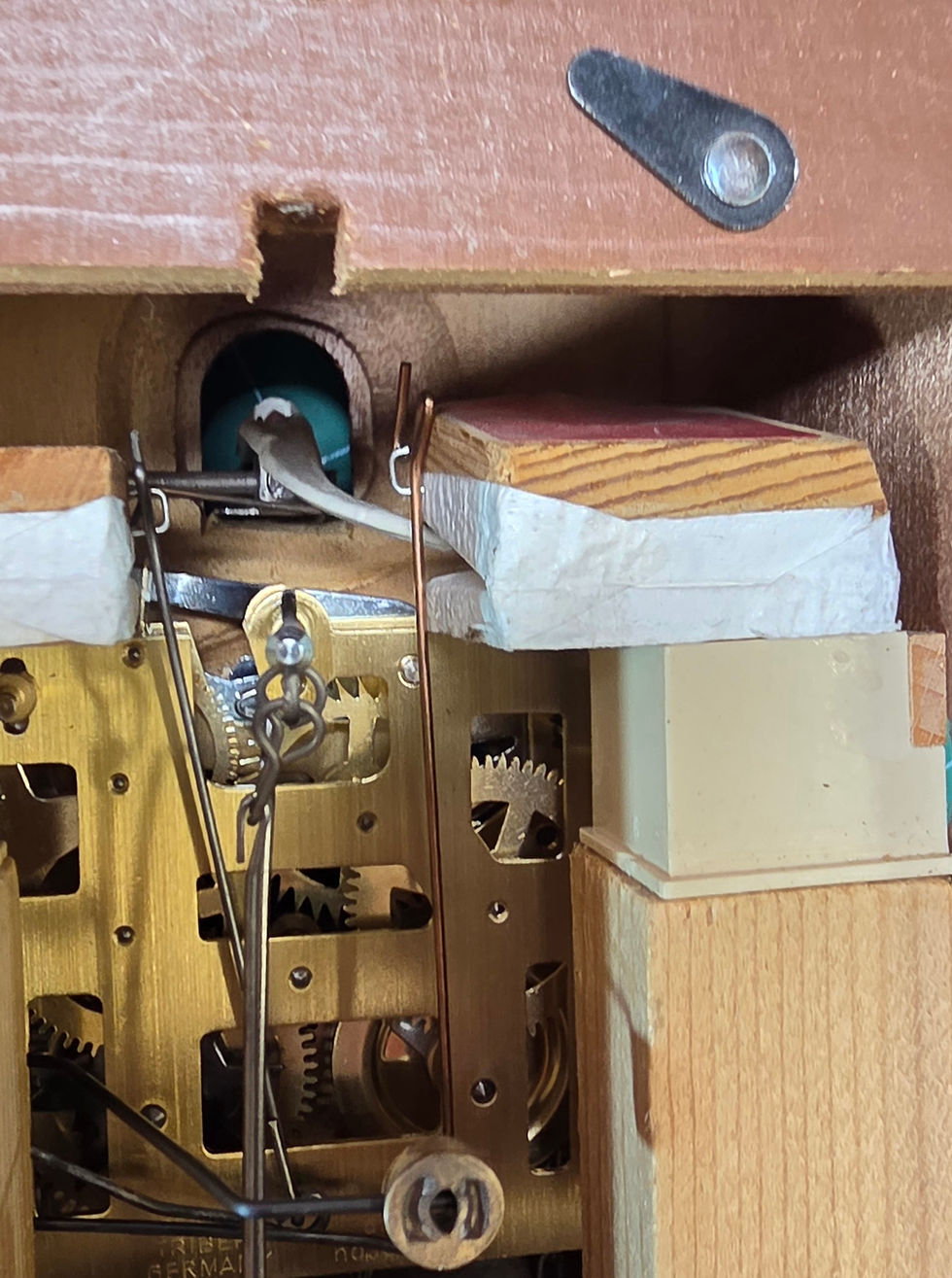
Fixing the Cuckoo Mechanism: Ensure that the cuckoo mechanism including bellows and gong are functioning correctly, as these are key features of the clock.
Step 5: Restoring the Finish
If the clock's finish is damaged, consider cleaning, oiling or waxing. This may involve sanding down the surface, restaining and applying a new coat timber oil or wax. Be sure to match the original finish as closely as possible to maintain authenticity.
Step 6: Reassembly
Carefully reassemble the clock, ensuring that all components are correctly aligned and secured. This step requires attention to detail, as improper assembly can lead to further issues.
Step 7: Testing
Once reassembled, test the clock to ensure it functions correctly. Check the timekeeping accuracy, cuckoo call, and any musical features. Make any necessary adjustments before displaying the clock.
Tools and Materials for Restoration
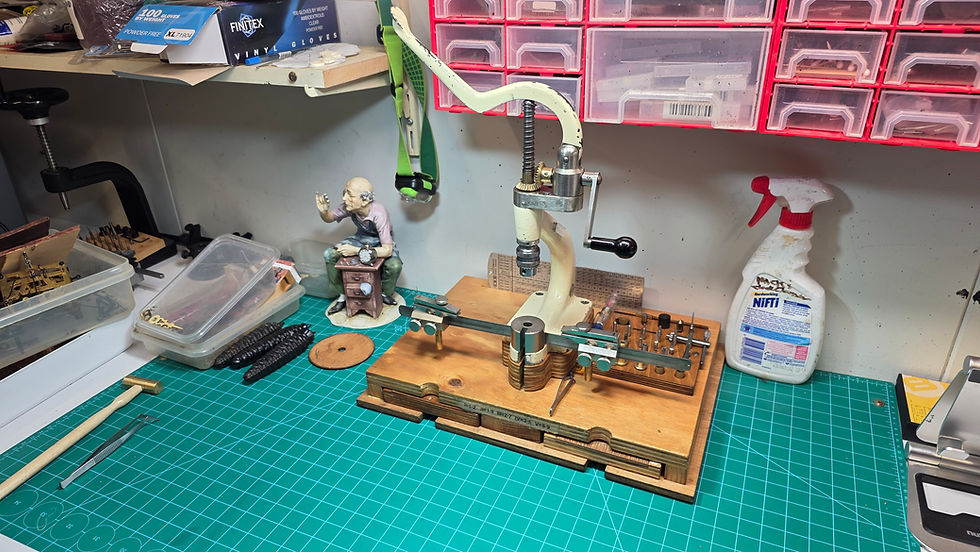
Having the right tools and materials is essential for successful cuckoo clock restoration. Here are some items you may need:
Screwdrivers: A set of precision screwdrivers for disassembly and reassembly.
Cleaning Supplies: Soft brushes, cloths, and gentle cleaning solutions.
Lubricants: Clock oil for moving parts.
Replacement Parts: Gears, springs, and other components as needed.
Finishing Supplies: Sandpaper, oils, waxes, and brushes for refinishing.
Tips for Successful Restoration
Research: Familiarize yourself with the specific type of cuckoo clock you are restoring. Understanding its history and mechanics will aid in the process.
Take Your Time: Restoration is a meticulous process that requires patience. Rushing can lead to mistakes and damage.
Document Your Work: Keep a record of your restoration process, including photos and taken prior to any disassembly. This documentation can be valuable for future reference or for sharing with other enthusiasts.
The Joy of Restoring Cuckoo Clocks
Restoring cuckoo clocks is not just a hobby; it is a passion that connects people to history and craftsmanship. Many enthusiasts find joy in the challenge of bringing a clock back to life, and the satisfaction of hearing the cuckoo call once again is unmatched.
Conclusion
Cuckoo clock restoration is an art that combines history, craftsmanship, and a love for intricate design. By understanding the restoration process and taking the time to care for these beautiful timepieces, we can ensure that their stories continue to be told for generations to come. Whether you are a seasoned restorer or just starting, the journey of reviving a cuckoo clock is one filled with discovery and joy. So, gather your tools, embrace the challenge, and let the cuckoo call once more!
Comments